00:00:00,080 –> 00:00:55,340 [Speaker 0]
[instrumental music] Welcome to the Popular Pig Podcast, a convenient place where you can stay up to date on what’s popular in the swine industry. By listening to Popular Pig, you will receive invaluable information on the latest trends, news, and research from various experts who guide the global pork industry. Popular Pig is brought to you by SwineTech, the award-winning creators of SmartGuard and PigFlow. To learn how PigFlow can help you streamline your workforce and reduce piglet and sow deaths, visit swinetechnologies.com. [instrumental music] Popular Pig is also made possible by the National Pork Board, Farm Credit Services of America, Clipper Distributing Company, Hypor Genetics, Minitube, Brenneman Pork, Romaine, Zinpro, Swine Web, PIC North America, Swine Robotics, Zoetis, Innovative Heating, and Pigequipment.com. Brought to you by American Resources.
00:00:58,320 –> 00:01:29,120 [Speaker 1]
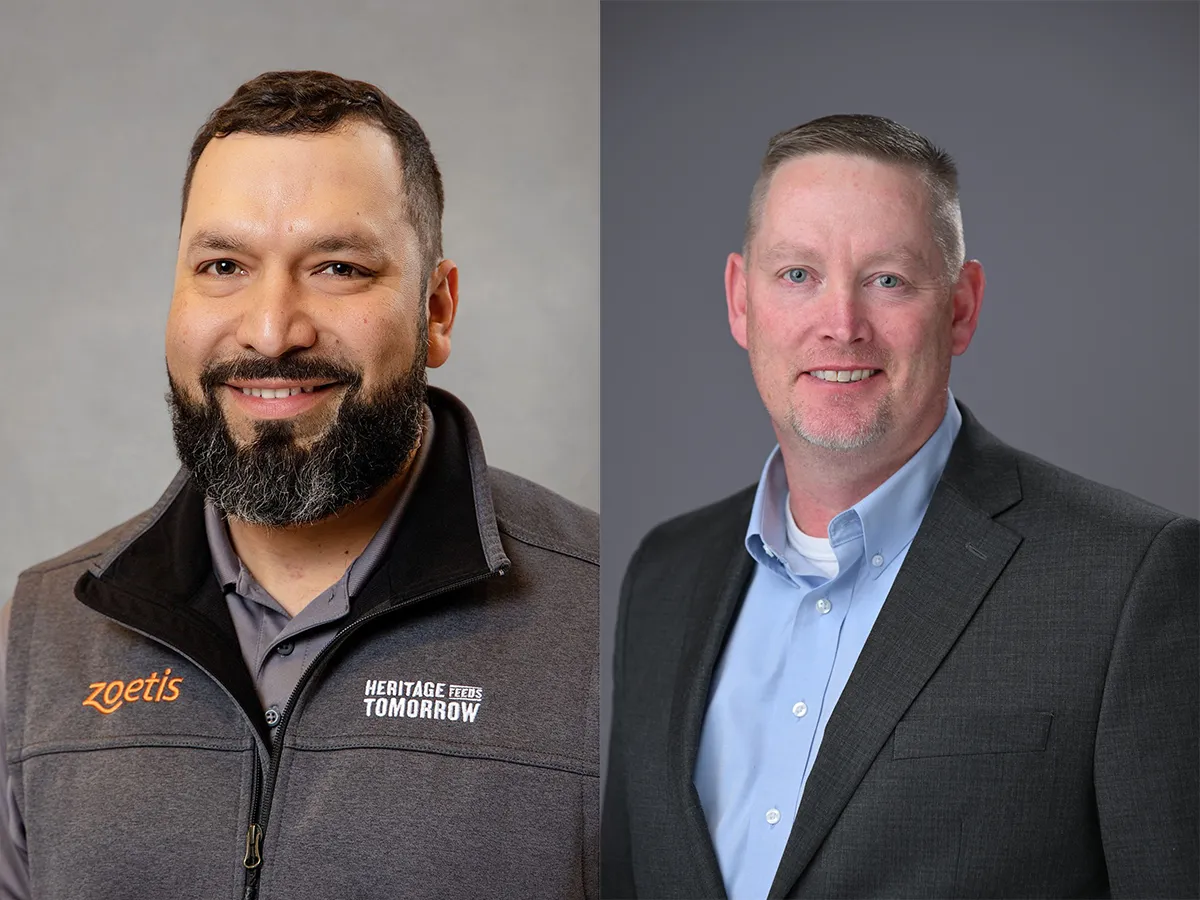
Welcome to the Popular Pig Podcast. I’m your host, Matthew Roda, and today we have Wes Lack and Jesus Garcia joining us from Zoetis. Excited to have them, and today we’re gonna be talking about individualized pig care and the people who really make that happen, a-and why that is so important for our industry and, and even more important for us not to forget about that being a cornerstone of how everything gets done. And, uh, excited to have you guys on today. So, Wes, if you wouldn’t mind, uh, just giving a little bit of your, your background, that’d be great, and then we’ll, we’ll hop over to Jesus.
00:01:29,460 –> 00:02:00,560 [Speaker 2]
I had somebody recently ask me this, so I’m gonna call myself a 50/50. So 50% of my career since 2000, uh, was actually in production, uh, managing farms, operations managers for different companies out there. But the other 50% of my time has been supporting our industry through our allied partners in the, in, in the field and, uh, coming alongside producers and trying to be a solution. So been doing this for 26 years. Been with Zoetis now four years, uh, since 2022, and, uh, really enjoying my time here.
00:02:00,800 –> 00:02:03,640 [Speaker 1]
And Jesus, what, what’s your background? How did you get into the industry?
00:02:04,280 –> 00:02:19,980 [Speaker 3]
So I started my career in the swine industry in 2006, I believe. Kinda started in wean to finish, did a little bit of sow farms, then some regional managing for a couple different outfits, and then been with Zoetis for the last seven years as a pork production specialist.
00:02:20,280 –> 00:02:27,340 [Speaker 1]
So your, your background is fairly unique. I’d love it if we could dive a little bit deeper into it and just how, how all that came together.
00:02:28,240 –> 00:02:30,420 [Speaker 3]
Yeah. So I’m originally from Honduras.
00:02:31,560 –> 00:02:55,840 [Speaker 3]
My mom and dad had a dairy farm, uh, back home. My brothers and I and, uh, my other siblings, we worked together with them to kinda help develop that and grow, and today it’s diversified in a couple different outfits and agricultural businesses that my brothers oversee today. And I started my career, like I said, in 2006, uh, after finishing college back home in Honduras.
00:02:56,860 –> 00:03:38,900 [Speaker 3]
I have a bachelor’s in agriculture and animal science, and kinda came to the United States to learn a little bit more about agriculture, farming, uh, what US operations look like, um, and then kind of understood the growing through the systems. Did a, a, a good job learning about others that worked in the industry, and kind of figured out even though it’s a large industry of swine producers, it’s kind of a small, unique niche of individuals that wake up every day dedicated to do this stuff. And I kinda fell in love with that portion of it, and that is how I stayed here.
00:03:39,420 –> 00:03:46,800 [Speaker 1]
So in, in your role, you’re, you’re in barns nearly every day. Can you talk about what that looks like and, um, the opportunity you have to do that?
00:03:47,560 –> 00:04:27,200 [Speaker 3]
Yeah. So as a pork production specialist, um, we are an extension of our customers when we go in barns. So it all starts off with a pre-call plan, which our sales representatives and our technical service teams with, through our veterinarians, myself, and the customer get together, and we kind of develop a strategy on what we’re gonna be there to help assist. And sometimes those are in-barn trainings with hands-on. Sometimes it’s helping identify a challenge. Sometimes it’s helping develop people as well, or maybe even bridging some of those cultural gaps between, uh, leadership and slot level or vice versa.
00:04:27,480 –> 00:04:33,460 [Speaker 1]
So beyond training, what, what can that look like? Do you have a few stories or examples around
00:04:34,500 –> 00:04:38,940 [Speaker 1]
how that has helped a producer at the end of the day walk away better than they went in?
00:04:40,120 –> 00:05:29,640 [Speaker 3]
Yeah, absolutely. Um, one of the things that with being Spanish-speaking and being bilingual, um, a lot of our, uh, employees in the swine industry are majority of Hispanic, um, origin or descent. And so being able to have somebody that they can communicate with freely helps a lot of times to bridge some of those gaps in communication. And there’s also a portion of cultural work differences. There are certain things that are definitely different how we do them in the United States and then how we would do them in some of these other Hispanic countries. So we’ve kinda, uh, helped bridge some of those gaps on both sides of the, that equation. Uh, probably, uh, one of the coolest things I could tell you, Matt, is in the swine industry in the United States, the word accountability gets thrown around left and right.
00:05:30,840 –> 00:05:33,060 [Speaker 3]
Accountability, accountability, accountability.
00:05:33,620 –> 00:05:37,920 [Speaker 1]
I think I know where you’re going with this, and I was gonna ask it, so I’m excited to come what, what comes next here.
00:05:38,600 –> 00:05:43,800 [Speaker 3]
Yeah. So if you Google translate the word accountability, that word does not exist in the Spanish language.
00:05:43,800 –> 00:05:44,340 [Speaker 1]
[laughs]
00:05:44,400 –> 00:05:44,820 [Speaker 2]
Mm-hmm.
00:05:44,900 –> 00:05:55,180 [Speaker 3]
So how do we expect all these individuals that work for us, and we throw the word accountability and accountability, and this word doesn’t exist in the Hispanic world, right?
00:05:55,240 –> 00:05:57,640 [Speaker 1]
Yeah, responsibility exists, but accountability-
00:05:58,140 –> 00:05:58,900 [Speaker 3]
Does not
00:05:58,900 –> 00:06:00,620 [Speaker 1]
… there’s, like, nonexistent.
00:06:01,072 –> 00:06:22,752 [Speaker 3]
No, none. And so, um, you know, helping understand that is, is a big portion. Okay, how, you know, how can I get my team to think about this KPI or think about biosecurity, for example, or think about health protocols when, when that word doesn’t translate directly? And so, um,
00:06:23,832 –> 00:06:50,792 [Speaker 3]
I did, uh, uh… Zoetis has a cultural presentation that, that we do, and, uh, I, I did it to a Spanish-speaking group, Matt, and I, I’ll never forget one of the Hispanic members in that team said, “Okay, Jesus, I get it, doesn’t exist. Get me to the closest word in the Spanish language that reflects accountability.” And the best thing I could come up with, I said, “It’s the captain of the soccer team.
00:06:51,952 –> 00:07:04,132 [Speaker 3]
Whether that guy scores no goal or a hundred goals, it’s his responsibility for that team to perform.” And he looked at me and said, “Man, how come never had I ever heard that before?”
00:07:04,672 –> 00:07:15,712 [Speaker 1]
Yeah. And Joe, my co-founder, Abraham Espinoza’s from, from Mexico, and I asked him the question like, “Why, why isn’t there an accountability? What’s the closest thing?” He’s like, “Probably because when it was proposed, they were like, ‘No, we don’t want that.’” [laughs]
00:07:15,712 –> 00:07:16,232 [Speaker 3]
Yeah. [laughs]
00:07:16,232 –> 00:07:54,132 [Speaker 1]
“We don’t want that word. No, we’ll stick with responsibility.” Just joking around. But yeah, it’s, it’s amazing how, uh, bilingual to so many people just means speaking the same, uh, verbal language or written language, but there’s a cultural component to this that you’ve hit on that i- is even more important. When you walk into that farm, when you connect with somebody, especially away from home, that shares your culture, you immediately start at a depth of a relationship that allows you to actually make an impact, um, uh, for the pig, for the person, uh, for that team. So that’s very exciting that you guys take that approach.
00:07:54,352 –> 00:08:14,592 [Speaker 3]
Yeah, it’s something that we’re really proud of. Um, we know, we– there’s a high focus on, on people and developing individuals and getting them to understand the why, um, and helping, again, see both sides of that equation, uh, tremendously helps producers and systems get to the goal that they’re trying to reach.
00:08:14,672 –> 00:08:50,592 [Speaker 1]
So, and we might hit a little bit of it later, but when we talk about training and, and coaching and going and adding value, you, you hit on accountability and helping them just understand when the organization’s talking about accountability, responsibility, this is what it means, and that’s a big deal. When it comes to actually training on pigmanship, uh, what are the various aspects of pigmanship that you found to be the hardest, um, that take the longest to understand? Uh, ’cause some things come natural, but some things don’t. What are those biggest challenges that you find require repetitive training, uh, to really drive home?
00:08:50,812 –> 00:09:10,372 [Speaker 3]
Buying to biosecurity is probably the hardest one. Um, and, and whether that is an individual that has been in the industry for a long time or somebody that just started. Now, there’s two, probably two different approaches to both of these individuals or whether they’re Hispanic or US-born and English-speaking,
00:09:11,392 –> 00:09:42,292 [Speaker 3]
but I think that’s probably one of the hardest things because it’s imaginary lines, right, Matt? It’s, it’s if you step over this, you’re clean, but if you step on this side, you’re dirty. And somehow that’s gonna stop a virus or a disease from coming into a barn. So buying into those, so to speak, imaginary lines or, so to speak, uh, steps that we have to take in a protocol to keep a barn safe and healthy is probably the toughest one out there.
00:09:43,252 –> 00:09:44,692 [Speaker 1]
Yeah. We spend all this time
00:09:45,892 –> 00:09:49,252 [Speaker 1]
writing out these protocols, uh, to do the best we can-
00:09:50,032 –> 00:09:50,072 [Speaker 3]
Mm-hmm
00:09:50,072 –> 00:10:08,432 [Speaker 1]
… but there are no shortage of areas where you’re like, “Really? The painted line on the floor is gonna stop the virus?” And it’s proven to help, but I can definitely see why new people to the industry are like, “Come on, man. Like, what are you, what are you feeding me here?” [laughs]
00:10:08,492 –> 00:10:26,212 [Speaker 3]
Or, or, or, or people that have been here a long time and are nowhere near any other pig production, and somehow they broke with a disease that they hadn’t seen in many, many years, right? It’s, it’s a tough… It, it, it’s a tough task to undertake to get people to buy into biosecurity.
00:10:26,932 –> 00:10:32,572 [Speaker 1]
Yeah. And to dive just slightly deeper here too, um, there can be a component of just because I’m work-
00:10:33,592 –> 00:10:56,572 [Speaker 1]
I’m working really hard, I’m putting in a lot of effort, therefore I’m probably doing the right thing can often be a reality i- in these operations. Um, I’m guessing you’ve seen that, and if so, uh, what, what does it mean to help people who truly feel like they’re doing the right thing because they’re working hard understand that, “I understand you’re working hard, but these are some areas that, that can be done better.” Do, do you run into that at all?
00:10:58,052 –> 00:11:11,772 [Speaker 3]
Oh, absolutely. Definitely. And, you know, one of the things that we like to talk about when we talk about biosecurity specifically, um, or even health protocols, right, is we can be doing a lot of hard work, but if we’re not
00:11:12,892 –> 00:11:24,832 [Speaker 3]
starting with a healthy pig, it’s gonna make the job a lot harder. It’s gonna make the numbers a lot harder to reach, and it’s gonna take a lot more than the effort that we’re putting into it today.
00:11:25,112 –> 00:11:40,012 [Speaker 1]
So Wes, can you tell us a little bit about, um, you know, Zoetis’ pork production specialist team and, and the work they do for customers? And, and I’d even be interested in, in how your background and your career has even inspired, uh, the approach, uh, for how you go about this today.
00:11:40,372 –> 00:11:48,472 [Speaker 2]
Yeah. I think, uh, you know, the pork production specialist roles for Zoetis, they’re, they’re unique to Zoetis. And,
00:11:49,752 –> 00:13:02,720 [Speaker 2]
um, and, and I would say the… We have two of them. So we got Jesus, and we have another guy named Mia Odellis, um, on the team that do that. But, um… These guys are crazy humble. Jes- Jesus may not be giving himself the credit he deserves, but, uh, but it is because of the passion that he has for our industry, but, but for the people in our industry, um, ’cause it is, it is about coming alongside those people, and that’s what these guys do every day. They’re coming alongside people on, from all different levels, from the slat level all the way up into some of the leadership trainings that they do. Um, and it’s, I mean, the goal is to enhance the ex- um, animal health, animal wellbeing, and, uh, just people and understanding of what they do every day and understanding the why. And I know Jesus mentioned that. Um, so really they’re, they’re in it, and they’re not in it for any reason outside of coming alongside producers. It is, it is about coming next, next to them, determining their production goals, understanding what their obstacles are in production and, and the, the thing that maybe people don’t recognize about these guys when they go into a farm
00:13:03,780 –> 00:14:00,600 [Speaker 2]
is, uh, they actually have to go through your SOPs. They do a lot of pre-work to understand, because it’s not a Zoetis objective. This is a, “How do we help support our customer object- objective?” And so they’re really doing a lot of pre-work just understanding individual SOPs for each operation that they go into. And these guys are in forty to fifty different operations in a year that they have to understand and, and train that way. But it’s coming alongside using SOPs, using their best practices internally, but also bringing some of the best practices that they get to see from all over the US and different producers out there. So, uh, Jesus, the team, and hand-in-hand, um, to deliver education programs, help customers, caregivers to understand the important role that they play, um, in helping meet production goals, but also, um, helping feed the world.
00:14:01,580 –> 00:14:19,740 [Speaker 1]
I, I love the, the comment on tailoring the team to that company’s SOPs. And, and I, and I think it creates a real opportunity. I’d say we, we follow a similar practice in that, and it, it does take a lot of extra time and energy. Uh, but when you are working with the team and, and they might disagree with something, it– this isn’t a Zoetis process.
00:14:19,760 –> 00:14:20,440 [Speaker 2]
That’s– Yeah, yeah.
00:14:20,480 –> 00:14:41,180 [Speaker 1]
Like, this is, this is your protocol. And, like, this is why that protocol is important. And if we wanna change it, that’s a whole nother conversation. But at the end of the day, this isn’t Zoetis coming in and saying, “This is the way we want you to do it.” This is the way your company is already expecting it to be done, and we’re helping you maximize your current SOP expectations, which-
00:14:41,440 –> 00:14:42,600 [Speaker 2]
That’s exactly right
00:14:42,600 –> 00:15:09,460 [Speaker 1]
… is just fun. And, and, uh, I mean, labor in general just continues to be a massive challenge. And I think there’s been numerous studies that have come out and stated that, you know, just turnover in general can have a pretty, um, large impact on overall productivity. Can you talk about how a team’s, um, experience and, and training and, and just having them fully function together in a-
00:15:10,200 –> 00:15:10,200 [Speaker 2]
Mm-hmm
00:15:10,200 –> 00:15:13,760 [Speaker 1]
… as a strong caregiver team can have an impact on an operation’s success?
00:15:14,360 –> 00:15:15,620 [Speaker 2]
Yeah. You know, um,
00:15:17,380 –> 00:15:22,320 [Speaker 2]
I did do some looking. The– I mean, turnover rates are actually lower than I’ve seen in a long time.
00:15:22,940 –> 00:15:23,200 [Speaker 1]
Yeah.
00:15:23,640 –> 00:16:08,280 [Speaker 2]
Um, so in that aspect, we’re doing great, but we’re still short labor. Um, so I think companies out there, uh, integrators out there, producers out there are, are doing a good job of using resources to keep people. We just don’t have enough of them. So, but the people that we got, it’s really about how do we create consistency in processes, procedures, you know, all the things that happen on a farm every day, uh, ’cause cre- consistency creates quality and, and the output of what we put out every day. Um, so I, I– creating care, you know, great caregivers, they’re those influencers. They’re the ones out there that are helping create the consistency throughout a system.
00:16:09,420 –> 00:16:16,000 [Speaker 2]
You know, the people that notice the changes in the health or water consumption reduction. Um,
00:16:17,080 –> 00:16:28,280 [Speaker 2]
finding those people when you’re short-staffed and res- reinforcing those trainings and keeping them in the loop on what’s going on and helping them to become better, um,
00:16:29,680 –> 00:16:54,780 [Speaker 2]
doesn’t necessarily fix our labor issues, uh, in the industry, but it sure does help create the consistency to produce a better quality. Um, so focused on those things, um, and then just focused on bringing those actions to life and helping their team members become, uh, like them, um, and, and produce better pigs at the end of the day.
00:16:56,320 –> 00:16:56,780 [Speaker 1]
Yeah. So,
00:16:58,120 –> 00:17:41,720 [Speaker 1]
Jesus, this one’s gonna be directed a bit towards, to you. Um, over the past recent history, a heck of a lot of farms being understaffed, you can sometimes see a lot of fear in that manager to drive accountability because, eh, if I push too hard and they leave, now I’m further understaffed. And it– that, that’s gonna compoundedly impact everyone on the team. And now with labor being a bit more available, still a challenge, but you start to see a little bit more focus on some of that consistency. Um, when you think about some of the interactions you’ve had with your team members, uh, with the team members on these farms, what are some things that have really stood out, stood out to you?
00:17:43,540 –> 00:17:45,860 [Speaker 3]
I think when team members understand the why
00:17:46,900 –> 00:17:47,820 [Speaker 3]
behind a protocol,
00:17:49,100 –> 00:18:38,776 [Speaker 3]
there tends to be more commitment, even if it’s tough or even if it’s not as smooth as what they were expecting. If, if there’s a, an explanation of why we’re doing what we’re doing- It tends to go a longer way. And especially where, where, you know, managers or supervisors recognize these individuals’ contributions, it also creates that pride, right? And so it’s the why, and it’s also the recognition of what they’re doing. And I think, you know, Wes said it already, they’re helping feed the world. And so when you understand that that’s your responsibility in that barn, not just AIing sows or not just treating pigs, it, it hits home a little bit harder than just saying, “We gotta go in there and treat this entire 4,800-head barn because we have a health challenge.”
00:18:39,396 –> 00:19:35,516 [Speaker 1]
Well, and there’s such a responsibility too to do best by the pig, which is, I think, a big part of this is, hey, we, we play a significant role in feeding the world, and that pig right there, that, that’s what makes it all happen. And so we need to do best by the pig and, and best by our people. And I, I, I think a lot of times we separate the pig and the people, and they just go so hand-in-hand. Uh, you need, you need both, and, um, there’s work to be done with both. Uh, one of the questions I wanna ask there that I kinda lost my train of thought on was, um, we can see for a lot of people who, who have worked in this industry for quite some time that maybe have not had that recognition or maybe had that, uh, that visibility or the, the training, the feedback, uh, sometimes people lose faith that the work they do or the process that’s there can actually make an impact. And, and sometimes it means we gotta do something that, that’s gonna be harder or take more time. Um,
00:19:36,656 –> 00:20:11,076 [Speaker 1]
that said, do you run into that much when you come in and you say, “Hey, like, this, this could really help you,” or people are just naturally skeptical? I think they come to work… I think most people wanna do a great job. They’re passionate about their work and, and wanna make a difference, but they get a little burnt out on, “You know, we’ve done this for years. Stillborns, pre-wean, sow mortality. We’ve been hammering this, and it’s barely changed.” And I feel like sometimes they lose faith that they actually can make that impact. Do you run into that, and if so, how do you encourage them to understand, like, “No, you really can make a difference”?
00:20:12,496 –> 00:20:27,816 [Speaker 3]
I think Wes said it, um, during one of his participations here today, right? One, one of the things that gives us at Zoetis or as, as a PPS a huge impact is when people ask us the question, “Have you seen this done?
00:20:29,176 –> 00:20:33,816 [Speaker 3]
Have you seen a sow farm have a single-digit pre-wean mortality?
00:20:35,136 –> 00:21:32,456 [Speaker 3]
And, and have you ever seen this achievable of somebody weaning 14.75 for 13 weeks straight or a, or a farrow rate of 95% on a 10-week production report?” And so when you can bring those experiences forward, I think it, it, it helps shine the light on, hey, this is actually possible. This isn’t just my supervisor asking me to put on all this work because he wants to ask for 125%, and if I give him 90, then he’s made some sort of an improvement on a KPI. It’s that it’s actually achievable. So that’s something that we don’t take for granted when we do these visits. And, you know, even if we’ve been out of production, uh, like myself for some time, and maybe we weren’t achieving when we were in production a 93% farrow rate or a 94%, we d- we certainly get to see it, um, in, in a lot of the barns that we visit.
00:21:32,856 –> 00:22:03,396 [Speaker 1]
So caregivers, we hit on this a little bit earlier, but they’re coming from so far away. They spend so much time in barns. I’m curious what stands out the most about how c- about the caregivers you’ve worked with. Sometimes I feel like it’d be great if people leading people here had to do a study abroad and manage in a foreign country where not everybody speaks your same language just to understand and maybe empathize a bit with how hard that can be. Uh, when you are in there, what are some of the, I guess, the experiences tied to that that, uh, you feel like it can make a world of difference?
00:22:04,516 –> 00:22:48,916 [Speaker 3]
There’s definitely dedication there, um, and that’s something that, that, that anybody in this industry does not fall short of. Uh, a sense of belonging to a community. You know, a lot of these farms work long hours, and whether you were born here or born somewhere else, like you were saying, um, those people that you work with day in, day out become your family. And so individuals that take that extra time to get– help others get incorporated into a community, a church, an extracurricular activity, um, definitely tend to see more of that commitment towards or maybe even develop some of that loyalty towards the system or the company that they’re working for, because that is very much appreciated.
00:22:49,696 –> 00:22:59,136 [Speaker 1]
Uh, a positive culture in an operation, in other words, may mean it extends beyond business hours, right? It’s not just when we’re at the farm-
00:22:59,536 –> 00:23:00,176 [Speaker 3]
That’s right
00:23:00,176 –> 00:23:00,756 [Speaker 1]
… anymore.
00:23:01,216 –> 00:23:03,636 [Speaker 2]
No, it’s– Our, you know, jobs of today aren’t
00:23:04,936 –> 00:23:06,376 [Speaker 2]
just at the farm. It’s
00:23:07,436 –> 00:23:25,256 [Speaker 2]
a, unfortunately, some– for some, it’s a 24/7 deal. And it– they gotta come in, they gotta do their deal every day in and out of the farm. And so it’s, it’s something we will all work through and– but it’s good for all because it also helps us incorporate our families and kids into that business as well.
00:23:26,616 –> 00:23:44,936 [Speaker 1]
Yeah, it used to be, I mean, ’90s, 2000s, and early teens, well, they’re from the area, so they understand what’s going on. And so we show up to work, we interact, we go home. Now you’ve got people coming from all over the world, and it’s not just about, “Hey, this is what it means to succeed in our farms.” It’s, “This is what it means to succeed in our community.”
00:23:45,556 –> 00:23:45,656 [Speaker 2]
Yeah.
00:23:46,196 –> 00:23:56,196 [Speaker 1]
And helping them feel like they need to be a part of that. Uh, so you t- you talked, Jesus, about dedication, uh, the commitment, and, um, when we look at that incredible commitment, Wes, uh,
00:23:57,676 –> 00:24:05,236 [Speaker 1]
recognizing that dedication is something Zoetis has made a priority, why is it important to recognize people who are working at the barn level?
00:24:07,116 –> 00:24:25,316 [Speaker 2]
Yeah. I think, uh, I’ll give a few points here, and I, you know, dedication is critical. I mean, if these guys come in, they work hard, but, um, I see people that are, that genuinely care about what they do every day. I mean-
00:24:25,356 –> 00:24:25,476 [Speaker 1]
Mm-hmm
00:24:25,476 –> 00:24:48,796 [Speaker 2]
… that’s, it’s in the, in the term caregiver. When you see those people out there and they genuinely care about their job and doing things right, doing them the right way, I mean, you know they’re dedicated. You can see it, and they, they actually put it into action. Um, and so it… and they take pride in it. They, they enjoy what they’re doing, um, providing excellent care, you know, just
00:24:50,016 –> 00:25:10,116 [Speaker 2]
understanding their part in producing the pigs at their farm or in their specific role, um, and what they do every day. And, and they’re… a lot of that stuff happens behind the scenes. We don’t necessarily see it all the time, but that stuff happens behind the scenes, and it’s, it’s, uh, one of the biggest reason that those farms are successful out there.
00:25:10,156 –> 00:26:01,976 [Speaker 1]
Yeah. I would say one of the biggest reasons we even started this podcast was I, I felt like people who are the backbone of the industry, working in the farms day-to-day, do not have the ability, the privilege to see how, one, how small the industry is, but also all of the things that are happening with National Pork Board, National Pork Producers Council, what all the allied industry partners like Zoetis, uh, like Swine Tech are doing to try to make an impact. And for me, I enjoyed working with pigs. I had a passion for that, uh, but when I understood the bigger picture, the global impact, uh, and all the pieces that had to come together, that, that drove an extra level of, of motivation to go out and make a difference within this industry. And so to that point, uh, I think sometimes these people just need to better understand who are they working for and who-
00:26:02,016 –> 00:26:02,156 [Speaker 2]
Mm-hmm
00:26:02,156 –> 00:26:07,696 [Speaker 1]
… what, what kind of an impact are they making on the broader industry? And it’s, it’s not just about being in the farm breeding a sow.
00:26:08,376 –> 00:26:15,675 [Speaker 2]
Yeah. No, that’s right. I, uh, and a little short story, I actually got an opportunity to go to an integrator meeting two weeks ago,
00:26:16,716 –> 00:26:20,436 [Speaker 2]
and it’s the first integrator meeting that I’ve been to that they shared
00:26:21,616 –> 00:27:03,396 [Speaker 2]
an amazing amount of information about the, the operation and the business with these, uh, mid-level managers, farm managers, department managers. And the interaction that I saw, uh, from those middle managers and department managers out there, they were excited to understand those things. So sharing that information, getting them engulfed in the business to where it’s not just, “I come in at 7:00 in the morning or 6:30, and I go home at 3:00 every day, and I did my job.” They understand the business, to, to Jesus’ point. They’re starting to understand the why, and I think companies are getting much better at helping those team members and caregivers understand the why.
00:27:04,536 –> 00:27:09,596 [Speaker 1]
Yeah. And on that point, ’cause I, I wanna throw something out, and I try to reinforce this as often as I can.
00:27:11,116 –> 00:27:19,436 [Speaker 1]
We are very humble, or at least the industry, the, the owners are often quite humble, and so talking about themselves is uncomfortable.
00:27:19,816 –> 00:27:20,736 [Speaker 2]
Mm-hmm.
00:27:20,756 –> 00:27:41,976 [Speaker 1]
There are a significant amount of people working in companies that have no idea the pain and the hard work that the owner has gone through to make the operation what it is today. And so, uh, amongst all of this, if you’re a owner of an operation today, you need to share your story. It’s not bragging.
00:27:42,916 –> 00:27:42,976 [Speaker 2]
Absolutely.
00:27:42,976 –> 00:27:51,336 [Speaker 1]
They want… they’re working for you for a reason, and helping them understand who you are and how you got to where you are, it is, uh, that-that’s as important as anything.
00:27:51,936 –> 00:28:01,516 [Speaker 2]
Yeah. I totally agree. I mean, I, and I kind of saw that in those, uh, reactions from the team members. They got to see information that maybe they didn’t get to see historically, and,
00:28:02,676 –> 00:28:04,436 [Speaker 2]
uh, it helps. That’s absolutely right.
00:28:05,236 –> 00:28:08,296 [Speaker 1]
So Wes, can you tell us a little bit about the Caregiver Award program?
00:28:09,756 –> 00:28:53,996 [Speaker 2]
Yeah. Um, so I mean, we got, uh, we’ve done this for several re- several years now. Um, but the Caregiver Award is really about, um, [lip smack] recognizing and sharing the story of caregivers out there that are… they go above and beyond. They’re just what we’ve talked about a little bit already, is the dedication, um, the drive, you know, uh, they identify things early. They’re first to respond and communicate what’s going on in the barn. So it’s, it is a, a way that we can help recognize people nationally, at a national level, um, that are out there just doing what they’re supposed to be doing, leading by example, and influencing the people around them.
00:28:55,036 –> 00:29:15,056 [Speaker 2]
And I– people that listen to this, I’m, I’m sure as soon as you hear who’s the best caregiver out there, there’s somebody that comes to mind in every operation out there. And we wanna, we just, we wanna acknowledge those people and recognize them, um, and what they do every day, because those are the kind of people we want in our business and our industry.
00:29:16,896 –> 00:29:29,496 [Speaker 1]
So you talked a little bit about w-what you’re looking for there, but can you talk about the, the characteristics of previous winners and, and the things that have stood out to you historically?
00:29:29,576 –> 00:29:40,616 [Speaker 2]
Yeah. Um, you know, we, we kind of break it into three pillars a little bit. Um, and it’s, it’s in the name, but, uh, caring is job one. I mean,
00:29:42,216 –> 00:31:06,468 [Speaker 2]
it’s hard to teach somebody care. Uh, those people, those people got it. And so caring job one, which, you know, honors, you know, caregivers’ consistency, provides exceptional care, um, in whatever phase they’re in, to all phases of production. So if you look at the second pillar for us, it’s, it does come back to teamwork because we’re not just one. It’s not just one of us out there doing something. It’s a whole team of people that have to come together- To achieve a common goal and work together. And so we, we really are looking for and wanna recognize those individuals that are helping build that strong team, uh, on a farm, within the office, whatever that may be, um, and comes alongside mentors or coworkers, just creates a positive environment, have positive attitude every day. And I think third is, uh, really inspiring future. It’s about the next generation. What are we doing? What are these guys, these caregivers that, that we’re hoping everybody’s nominating right now, um, what are they doing for the next generation? And, and we wanna acknowledge that because that’s how we continue to be successful in this industry, is helping build up that next generation. And so these people that we’re kinda looking for, uh, are doing that, and they’re encouraging others and helping to strengthen the future of our industry.
00:31:06,848 –> 00:31:14,328 [Speaker 1]
So, uh, as we wrap up, if you could, I don’t know, say a message to everybody listening, what would be your,
00:31:15,408 –> 00:31:20,528 [Speaker 1]
your take-home? The one thing you want people to remember if they only take one thing out of this?
00:31:21,148 –> 00:31:25,648 [Speaker 2]
Um, it, yeah, I think, uh, great production
00:31:26,968 –> 00:31:35,888 [Speaker 2]
starts with great people. And, um, recognizing that and calling that out, uh, to help celebrate
00:31:37,188 –> 00:31:48,548 [Speaker 2]
that compassion and dedication and leadership and teamwork and all those things that they do every day, take advantage of it, because it’s only going to increase the circle of influence that those guys touch every day,
00:31:49,568 –> 00:31:59,908 [Speaker 2]
um, and reinforces a lot of things that we’ve talked about on this call. And so I, I think it’s important, take advantage of this situation. It is about highlighting those guys out there that,
00:32:00,948 –> 00:32:13,168 [Speaker 2]
um, they’re, they’re hitting those three pillars every single day and, um, making our business and our industry a better place to work and a more profitable business every day.
00:32:15,188 –> 00:32:18,488 [Speaker 1]
Yeah. And it, to that point too, how people feel,
00:32:19,608 –> 00:32:24,108 [Speaker 1]
I believe, directly translates into the quality of care the pig gets.
00:32:24,468 –> 00:32:25,208 [Speaker 2]
Yeah, absolutely.
00:32:25,208 –> 00:32:32,988 [Speaker 1]
If people are stressed or the, the people are just overwhelmed, uh, that, that quality of care is different. So creating that environment where people
00:32:34,168 –> 00:32:48,388 [Speaker 1]
feel, that have the energy, because you can just tell, they, they have the entire organization behind their back. Uh, they, they got their back. Um, that translates. It translates in almost any industry where care is, is a, is an end goal.
00:32:48,988 –> 00:32:49,868 [Speaker 2]
Yeah.
00:32:50,088 –> 00:32:50,828 [Speaker 1]
Jesus, what about you?
00:32:51,888 –> 00:33:24,388 [Speaker 3]
I would say I’d encourage people listening to this podcast to continue to work on developing their people. Keep investing in those caregivers. And that doesn’t always necessarily need to be through compensation. It could also be through, uh, whether that’s a Zoetis Swine Care program, training and development, keep individuals understanding the why. We’ve covered a lot of those things here today. Um, but again, I think that when an employee feels valued, they’re gonna put forth that extra effort to achieve the goals that we want them to achieve.
00:33:24,988 –> 00:33:35,048 [Speaker 0]
You probably know we talk a lot about innovation in pork production here. What you might not know is SwineTech, the team behind this podcast, is leading the charge with their PigFlow platform.
00:33:36,148 –> 00:33:57,468 [Speaker 0]
SwineTech is dedicated to empowering pork producers worldwide to provide high-quality, individualized care for every pig. Their world-class workforce management and point-of-care platform, PigFlow, streamlines, automates, and monitors routine and emergency care, communication, daily workflows, administrative duties, and herd diagnostics.
00:33:58,728 –> 00:34:26,988 [Speaker 0]
This enables producers to optimize workflow and task clarity, execution efficiency, prioritization, and simplification of compliance assessments. PigFlow empowers managers with the ability to analyze and refine their processes and make adjustments to enhance overall value. If you’re interested in learning how producers are maximizing their resources, enhancing efficiencies, and improving employee engagement in pig care with PigFlow, visit swinetechnologies.com.
00:34:27,928 –> 00:34:36,848 [Speaker 1]
So to hit some rapid fire questions here, um, first one is, what’s something unique about you that most people in the industry probably do not know?
00:34:38,648 –> 00:34:46,328 [Speaker 1]
And we’ll start with Jesus, because I feel like Wes might have a hard time with this one. [laughs]
00:34:46,428 –> 00:34:53,068 [Speaker 3]
I don’t know that it’s, uh, anything that I could put to good use, but I do know how to play the classical trumpet pretty good.
00:34:53,108 –> 00:34:53,808 [Speaker 1]
Oh, interesting.
00:34:54,548 –> 00:35:09,228 [Speaker 3]
And not a whole lot of people know that. Um, one thing that I do, do get to put to good use is my ability to s- go back and forth between English and Spanish. Um, but a lot of people, even some of your listeners, probably already know that about me.
00:35:09,548 –> 00:35:10,088 [Speaker 1]
How about you, Wes?
00:35:11,348 –> 00:35:18,668 [Speaker 2]
Um, I would actually say most people out there probably don’t know that I do speak Spanish.
00:35:19,988 –> 00:35:39,288 [Speaker 2]
Don’t, uh, ask me to do a presentation in Spanish because it’s not necessarily proper. Uh, but I can sure get out there and interact with anybody out on the slats and, uh, have a great conversation and hopefully help them or, or, uh, they can teach me something, so.
00:35:40,368 –> 00:35:43,888 [Speaker 1]
You know the important Spanish too, because I- I’ve heard you speak Spanish, and you know the,
00:35:45,088 –> 00:35:46,768 [Speaker 1]
the right, the right amount of slang.
00:35:47,148 –> 00:35:47,688 [Speaker 2]
Yeah. [laughs]
00:35:47,768 –> 00:35:54,768 [Speaker 1]
Uh, you, you know. You know the cul- you know cultural Spanish too, right? It’s not just the words. You, you know the proper use case of the words.
00:35:55,188 –> 00:36:00,528 [Speaker 2]
Yeah. Yeah, it’s good barn Spanish. We’ll call it that. Yeah. Yeah.
00:36:00,528 –> 00:36:03,648 [Speaker 1]
Next question. What is your greatest pet peeve,
00:36:04,748 –> 00:36:05,008 [Speaker 1]
Wes?
00:36:06,328 –> 00:36:20,268 [Speaker 2]
Greatest pet peeve, honestly, is disrespectfulness. I have a real challenge with that. And if you… I don’t get emotional very often, but, uh, I will get emotional around those things.
00:36:21,308 –> 00:36:22,028 [Speaker 1]
What about you, Jesus?
00:36:22,308 –> 00:36:23,168 [Speaker 3]
I think assumption.
00:36:24,388 –> 00:36:25,348 [Speaker 1]
Oh. Hmm.
00:36:26,268 –> 00:36:42,088 [Speaker 3]
There’s a lot in this industry that we sometimes assume that individuals know or understand, or a nod and a smile meant they got it. Um, and a lot of times we miss, we miss a lot of big opportunities that way.
00:36:42,668 –> 00:36:45,468 [Speaker 1]
No, that’s a good one. Sometimes we offload accountability
00:36:46,608 –> 00:36:46,808 [Speaker 1]
as-
00:36:46,808 –> 00:36:47,128 [Speaker 2]
[laughs]
00:36:47,128 –> 00:36:49,688 [Speaker 1]
… as leaders too by saying, “Well, they said yes.”
00:36:49,688 –> 00:36:50,808 [Speaker 2]
[laughs] Yeah.
00:36:50,828 –> 00:37:06,668 [Speaker 1]
It’s like, “Well, they said yes.” And it’s like, well, come on. Like, there, there, there’s more to it than they acknowledged what you said were words that had meaning. But, like, are we going further? Are we taking accountability as leaders to ensure that what we’re saying is, is understood?
00:37:07,288 –> 00:37:08,488 [Speaker 2]
Mm-hmm. Yeah.
00:37:08,508 –> 00:37:09,468 [Speaker 1]
That’s fair. That’s a good one.
00:37:09,748 –> 00:37:10,048 [Speaker 2]
Yeah.
00:37:10,108 –> 00:37:16,208 [Speaker 1]
Uh, if you could go back in time and have dinner with any historical figure, who would it be? Jesus.
00:37:16,828 –> 00:37:19,328 [Speaker 3]
Um, probably Abraham Lincoln.
00:37:20,088 –> 00:37:20,148 [Speaker 1]
Hmm.
00:37:20,168 –> 00:37:25,548 [Speaker 3]
Because even being from a different country, that is somebody that you got to learn about.
00:37:26,667 –> 00:37:37,288 [Speaker 3]
And the struggle and what was changing and what was happening in history at that time, uh, could have over- overwhelmed anybody.
00:37:38,468 –> 00:37:44,448 [Speaker 3]
But somehow he kept his composure as best as possible and, and executed.
00:37:45,128 –> 00:37:49,808 [Speaker 1]
Would you go back and meet him in his time, or would you pull him forward to modern day US?
00:37:49,828 –> 00:37:53,368 [Speaker 3]
That’s a good question. I think I’d, I’d meet him in his time.
00:37:53,908 –> 00:38:02,908 [Speaker 1]
Yeah. Most people go back in time. When I ask that question, it’s very rare somebody pulls them forward, and I think that’s because we selfishly wanna see a different era. [laughs]
00:38:02,908 –> 00:38:04,028 [Speaker 3]
[laughs] Yes.
00:38:04,028 –> 00:38:05,648 [Speaker 1]
[laughs] What about you, Wes?
00:38:06,548 –> 00:38:15,388 [Speaker 2]
Um, you know, you asked me this question once. You put me on the spot. I did not have an answer, and I was worried that you were gonna ask me this question again.
00:38:15,388 –> 00:38:16,768 [Speaker 1]
[laughs]
00:38:16,868 –> 00:38:22,008 [Speaker 2]
Uh, but I would like to meet Paul from the Bible.
00:38:23,068 –> 00:38:23,488 [Speaker 2]
Uh-
00:38:23,608 –> 00:38:24,428 [Speaker 1]
Very cool.
00:38:24,688 –> 00:38:25,428 [Speaker 2]
It– you know, we…
00:38:26,548 –> 00:38:29,188 [Speaker 2]
if you think about it, we’re very much alike.
00:38:30,328 –> 00:38:34,448 [Speaker 2]
And, uh, I’d like to get his point of view on things. It might help me on mine.
00:38:35,708 –> 00:38:36,328 [Speaker 1]
Sounds good.
00:38:36,828 –> 00:38:37,868 [Speaker 2]
Yeah.
00:38:37,868 –> 00:38:39,508 [Speaker 1]
Would you go back to him or you pull him forward?
00:38:40,008 –> 00:38:51,848 [Speaker 2]
Man, I’d be afraid to pull him forward. [sighs] I’m not sure he could handle it. Uh, but actually I’d probably pull him forward just because, uh, to understand his perception of what-
00:38:52,388 –> 00:38:52,408 [Speaker 1]
Yep
00:38:52,408 –> 00:38:53,288 [Speaker 2]
… we do every day.
00:38:53,968 –> 00:39:00,608 [Speaker 1]
I, I think I’d wanna pull him forward too and be like, “All right, so contextually this is what you had said in this time and era.”
00:39:01,208 –> 00:39:04,188 [Speaker 2]
Yeah. How do we relate it to today? Yeah.
00:39:04,248 –> 00:39:04,928 [Speaker 1]
Yeah.
00:39:04,928 –> 00:39:05,248 [Speaker 2]
Yeah.
00:39:05,268 –> 00:39:05,448 [Speaker 1]
Yeah.
00:39:05,528 –> 00:39:06,208 [Speaker 2]
Absolutely.
00:39:06,248 –> 00:39:11,608 [Speaker 1]
It’d been fun to have him read, like, a modern translation and be like, “Is this…” [laughs]
00:39:11,608 –> 00:39:15,528 [Speaker 2]
[laughs] Yeah. That’s… it would, wouldn’t it? [laughs]
00:39:15,528 –> 00:39:16,328 [Speaker 1]
[laughs] So, um,
00:39:17,968 –> 00:39:24,348 [Speaker 1]
I know, Wes, you, you watch, you watch sports, uh, and football, NFL. Jesus, do you watch, follow the NFL at all?
00:39:25,428 –> 00:39:26,348 [Speaker 3]
Yes. Yep.
00:39:26,368 –> 00:39:31,368 [Speaker 1]
All right. So in theme of fall here, if you could vote one team out of the NFL, who would it be?
00:39:31,888 –> 00:39:33,068 [Speaker 3]
The Kansas City Chiefs.
00:39:33,788 –> 00:39:37,728 [Speaker 1]
That’s a great answer ’cause, uh, [laughs] Wes, you’re a Chiefs fan, right? [laughs]
00:39:37,888 –> 00:39:39,848 [Speaker 2]
I am. I am a Chiefs fan-
00:39:39,848 –> 00:39:40,688 [Speaker 1]
[laughs]
00:39:40,688 –> 00:39:42,488 [Speaker 2]
… but I’m not sure.
00:39:42,488 –> 00:39:43,808 [Speaker 1]
They gonna make the playoffs this year?
00:39:44,548 –> 00:39:44,588 [Speaker 2]
Um-
00:39:45,768 –> 00:39:45,968 [Speaker 3]
They-
00:39:46,048 –> 00:39:46,408 [Speaker 2]
Let’s just-
00:39:46,408 –> 00:39:49,868 [Speaker 3]
… they have the best backup for quarterbacks if somebody gets injured.
00:39:50,328 –> 00:39:52,588 [Speaker 2]
Yeah, let’s just say yes. [laughs]
00:39:52,608 –> 00:39:52,768 [Speaker 1]
Yeah.
00:39:53,928 –> 00:39:54,728 [Speaker 1]
Who would you vote out?
00:39:56,668 –> 00:40:00,308 [Speaker 2]
I would vote out the Rams. I know that’s probably wrong, but I’m gonna vote out the Rams.
00:40:00,308 –> 00:40:01,328 [Speaker 1]
[laughs] Okay.
00:40:02,388 –> 00:40:10,708 [Speaker 1]
Well, we appreciate you guys coming on and talking about the great things you’re doing at Zoetis to help producers, caregivers, and most importantly, the pig.
00:40:11,088 –> 00:40:11,168 [Speaker 2]
Yeah.
00:40:11,168 –> 00:40:15,108 [Speaker 1]
And, um, just wish you the absolute best as you continue on with this journey.
00:40:15,808 –> 00:40:48,688 [Speaker 2]
Yeah. We appreciate it, Matt. And just to note real quick, just nominations are open for caregivers. If you haven’t done it yet, please get out there and nominate these guys. Help us recognize them. And just go to our website at zoetusus.com and search caregiver. Uh, it’ll pull it up for you. So take the opportunity to recognize some awesome individuals in your operation. [gentle music]
00:40:48,688 –> 00:41:23,628 [Speaker 0]
Thank you for joining us on this episode of Popular Pig. We aspire to learn and grow together through the experience and wisdom shared by our esteemed guests. If you enjoyed this episode, please share it with your friends and colleagues within the swine industry. For more information, please go to popularpig.com to receive updates when new episodes are available. [gentle music] Popular Pig is brought to you by SwineTech, the award-winning creators of SmartGuard and PigFlow. To learn how PigFlow can help you streamline your workforce and reduce piglet and sow deaths, visit swinetechnologies.com. [gentle music]